
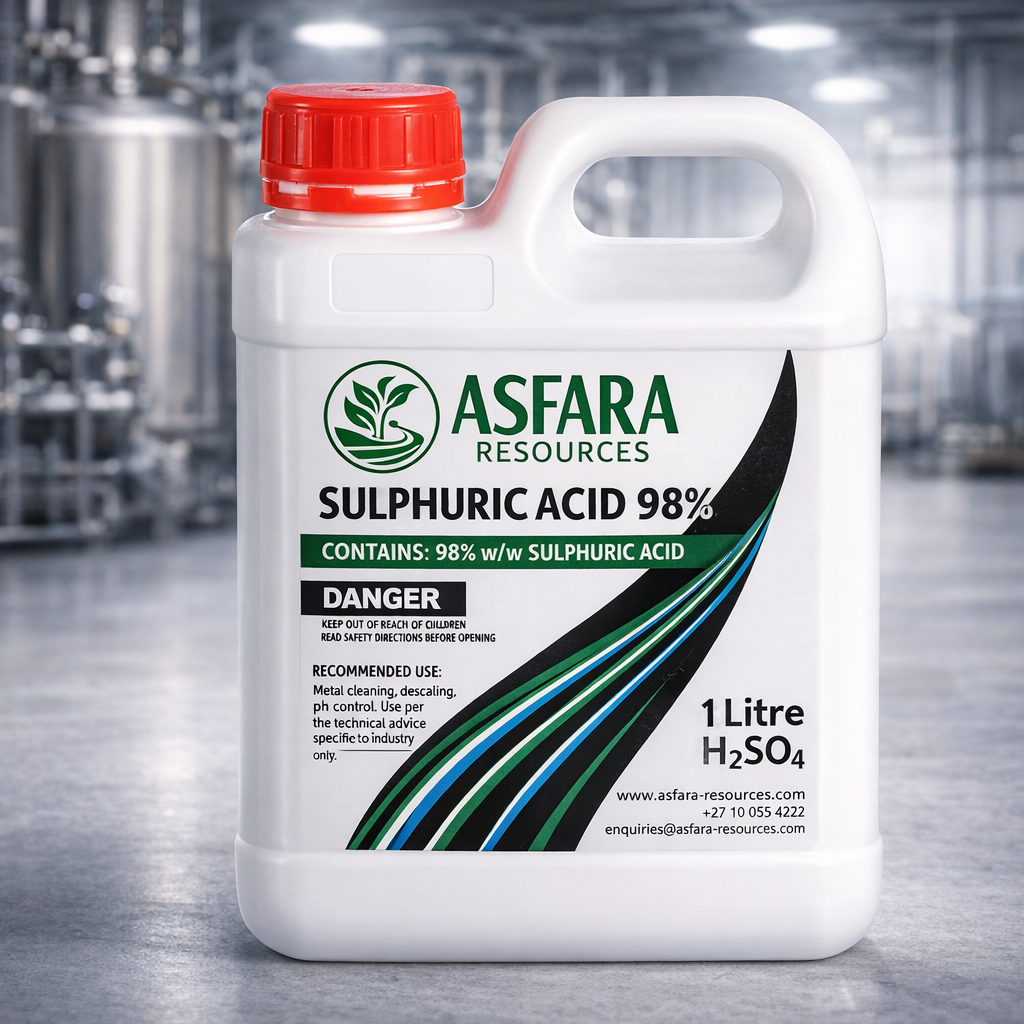
Sulphuric Acid: Properties, Uses, Applications, and Industrial Importance
Sulphuric Acid (H₂SO₄) is one of the most widely produced and consumed industrial chemicals in the world. Often referred to as the “king of chemicals,” sulphuric acid plays a fundamental role in fertilizer production, chemical manufacturing, petroleum refining, metal processing, batteries, and water treatment. Its strong acidity, high reactivity, and versatility make it indispensable across a broad range of industrial sectors.
What Is Sulphuric Acid?
Sulphuric acid is a strong mineral acid composed of hydrogen, sulphur, and oxygen, with the chemical formula H₂SO₄. It is a colorless to slightly viscous liquid, though concentrated grades may appear slightly oily due to their high density. Sulphuric acid is highly corrosive and has a strong affinity for water.
Industrially, sulphuric acid is produced mainly through the Contact Process, which involves the oxidation of sulphur dioxide to sulphur trioxide, followed by absorption in water. It is supplied in various concentrations depending on industrial requirements.
Key Physical and Chemical Properties
Sulphuric acid has several defining properties that account for its extensive industrial use:
-
Chemical Formula: H₂SO₄
-
Appearance: Clear, colorless to slightly viscous liquid
-
Odor: Odorless
-
Acidity: Strong acid
-
Density: High
-
Hygroscopic Nature: Strong affinity for water
These properties allow sulphuric acid to function as a dehydrating agent, catalyst, electrolyte, and chemical reactant in many processes.
Major Applications of Sulphuric Acid
1. Fertilizer Production
The largest global application of sulphuric acid is in the fertilizer industry. It is used to manufacture phosphoric acid, which is then processed into phosphate fertilizers such as DAP, MAP, and SSP. Sulphuric acid is also essential in the production of ammonium sulphate fertilizers.
2. Chemical Manufacturing
Sulphuric acid is a key raw material in the production of detergents, pigments, dyes, explosives, synthetic resins, and pharmaceuticals. It acts as both a reactant and catalyst in numerous chemical synthesis processes.
3. Lead-Acid Batteries
Sulphuric acid is the electrolyte used in lead-acid batteries found in vehicles, backup power systems, and industrial energy storage applications. Its ability to facilitate electrochemical reactions makes it critical to battery performance.
4. Metal Processing and Refining
In metal industries, sulphuric acid is used for pickling and surface treatment of steel and other metals. It removes oxides, scale, and rust prior to galvanizing, plating, or further fabrication.
5. Petroleum Refining
Sulphuric acid is widely used in petroleum refining for alkylation processes and removal of impurities. It improves fuel quality and enhances refining efficiency.
6. Water Treatment and Industrial Cleaning
Sulphuric acid is applied in water treatment plants for pH control and neutralization. It is also used for descaling and cleaning industrial equipment, pipelines, and heat exchangers.
Packaging and Supply Formats
Sulphuric acid is supplied in corrosion-resistant packaging and bulk formats, including:
-
HDPE drums
-
IBC tanks
-
ISO tanks and bulk tankers
Export shipments are accompanied by COA, MSDS, and Technical Data Sheets, ensuring compliance with international regulations.
Handling, Storage, and Safety
Sulphuric acid is highly corrosive and must be handled with strict safety measures. Storage should be in compatible containers away from moisture, organic materials, and reactive substances.
Operators should use appropriate PPE, including acid-resistant gloves, goggles, and protective clothing. Proper ventilation and emergency response systems are essential for safe handling.
Global Market Demand and Outlook
Global demand for sulphuric acid continues to grow due to increasing fertilizer consumption, industrial expansion, energy storage demand, and infrastructure development. Its essential role in agriculture and industry ensures stable long-term demand across global markets.
Conclusion
Sulphuric acid is a cornerstone chemical supporting fertilizers, chemicals, batteries, metals, petroleum refining, and water treatment. Its unmatched industrial importance, versatility, and efficiency make it one of the most critical chemicals in modern industry.
For manufacturers and industrial buyers seeking reliable performance and regulatory compliance, sulphuric acid remains an indispensable solution worldwide.

There are no reviews yet.